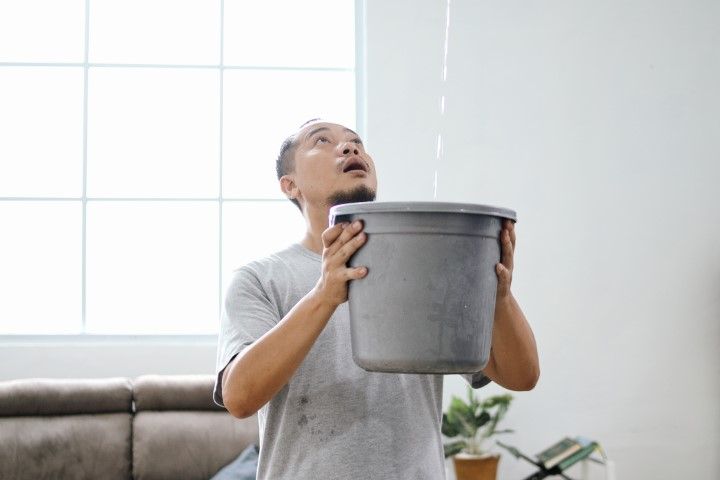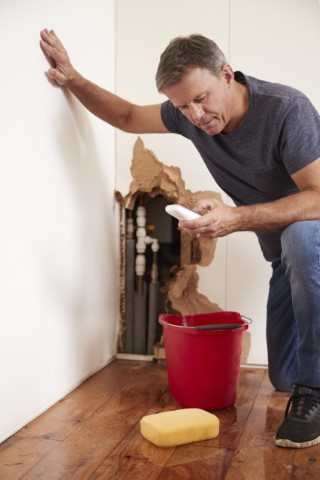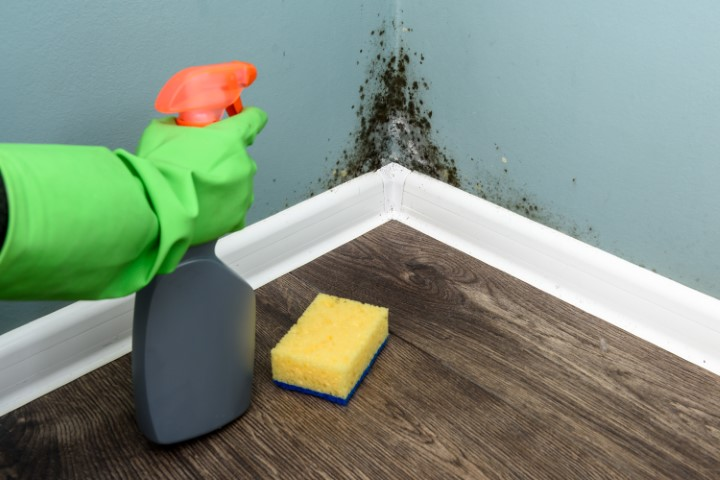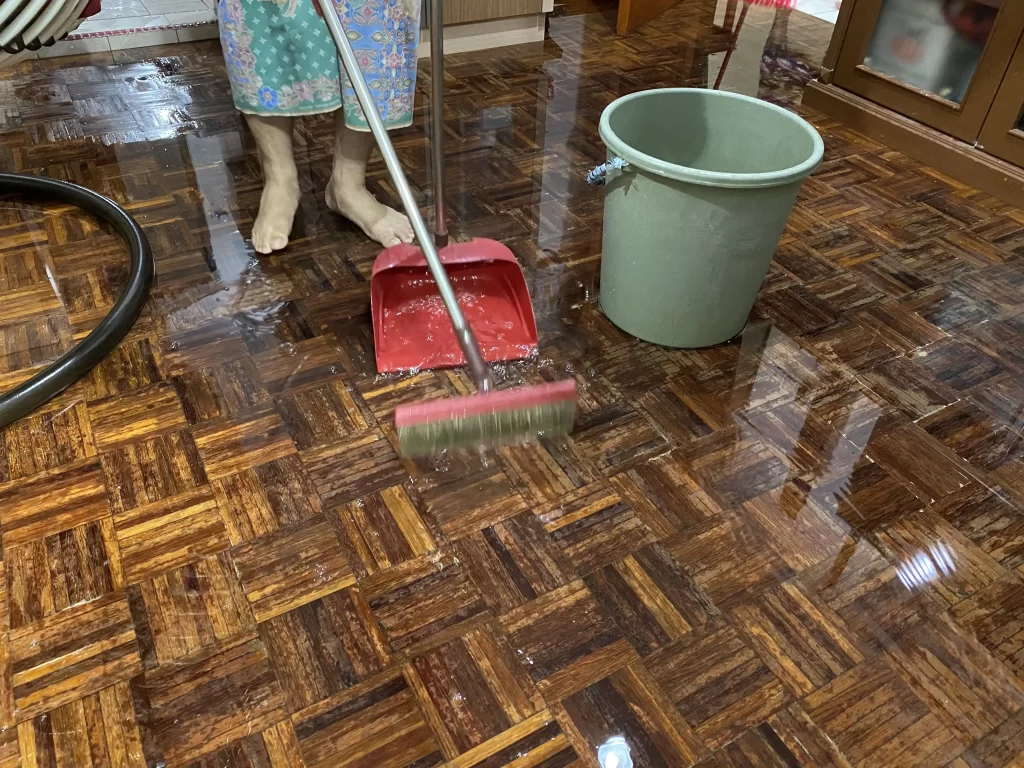
Sewage backup cleanup in Florida isn’t just about removing dirty water—it’s about protecting health, structure, and indoor air from Category 3 contamination. Use this guide to stay safe, stabilize the scene, and understand how American Restoration Contractors (ARC) restores homes across Polk, Hillsborough, and Osceola counties.
What Is Sewage or Category 3 Water?
Category 3 water is the most contaminated water class. It includes sewage, floodwater from outside, and any water with likely pathogens. In Florida, backups often follow heavy rain, overwhelmed municipal lines, tree-root intrusions, or a clogged household lateral. Knowing it’s Category 3 sets the rules: protect people first, then contain, remove, disinfect, and dry.
Immediate Safety Steps to Take
- Turn off electricity to affected areas if you can do so safely.
- Keep children, older adults, pets, and anyone immune-compromised away.
- Close doors to limit spread and place towels at thresholds to slow migration.
- Document conditions with photos and short videos for your insurer.
- Call ARC’s 24/7 Emergency Service for rapid extraction and containment.
What Not to Do
- Do not run household fans over sewage-wet surfaces; you can aerosolize contaminants.
- Do not keep contaminated carpet, pad, drywall, or insulation; most porous items must be removed.
- Do not rely on bleach alone for deep sanitation or on scented products to “cover” odors.
- Do not delay. Category 3 conditions worsen quickly and can complicate insurance outcomes.
How Professionals Handle Sewage Cleanup
ARC’s process follows industry standards and focuses on safety:
- Assessment and containment
We identify affected rooms and set up physical barriers and negative air to keep clean spaces clean. - Extraction and removal
Standing water is extracted. Sewage-contacted porous materials (carpet, pad, some baseboards, lower drywall) are removed as needed. - Targeted disinfection
We use EPA-registered products appropriate for Category 3 water, applied to surfaces after gross removal. - Drying and monitoring
Dehumidifiers and air movers run under controlled conditions. ARC technicians take moisture readings until targets are reached. - Verification and rebuild plan
We verify cleanliness and dryness and, if requested, coordinate the repair scope.
Can Your Belongings Be Saved?
- Porous soft goods like soaked carpet, pads, and many textiles are typically discarded for health reasons.
- Non-porous items (metal, some plastics, sealed wood finishes) may be disinfected and cleaned.
- Electronics and documents are case-by-case; we’ll advise based on contamination level and value.
If you’re unsure, set items aside in sealed bags or bins until an ARC technician evaluates them.
Odor Control, Sanitation, and Clearance
Sewage odors come from volatile compounds released by contaminated materials. ARC neutralizes odors as part of the cleaning and drying sequence, then verifies surfaces are sanitized and materials are dry before areas are reopened.
Prevention and When to Call ARC
Reduce risk with simple steps:
- Install and maintain a backflow prevention valve where appropriate.
- Keep cleanouts accessible; have a plumber jet lines on a maintenance schedule.
- Avoid flushing wipes and grease.
- Grade landscaping away from the foundation.
Call ARC immediately if you see visible sewage, smell persistent sewage odors, or have floodwater that entered from outdoors.
FAQs
Is sewage backup covered by homeowners insurance?
Often only with a specific sewage or water backup endorsement. Check your policy or ask your agent. ARC provides documentation to support claims. Needs SME input for carrier-specific details.
How fast should cleanup begin after a sewage backup?
Within hours. Category 3 water can affect surfaces and air quality rapidly.
Can I clean it myself?
Small spills on non-porous surfaces might be handled with proper PPE, but most backups require professional containment, removal, disinfection, and drying.
Do carpets and padding have to be removed?
With Category 3 water, yes in most cases. Non-porous flooring can sometimes be sanitized after proper cleaning.
How long will drying take?
Typically 2–4 days. ARC monitors and adjusts equipment until materials meet target moisture levels.
How ARC can help
- 24/7 Emergency Service: Rapid containment and extraction.
- Water Damage Restoration: Full mitigation aligned to standards.
- Mold Remediation: If needed after a Category 3 event.
Contact us today for a same-day inspection and a clear, step-by-step plan.