
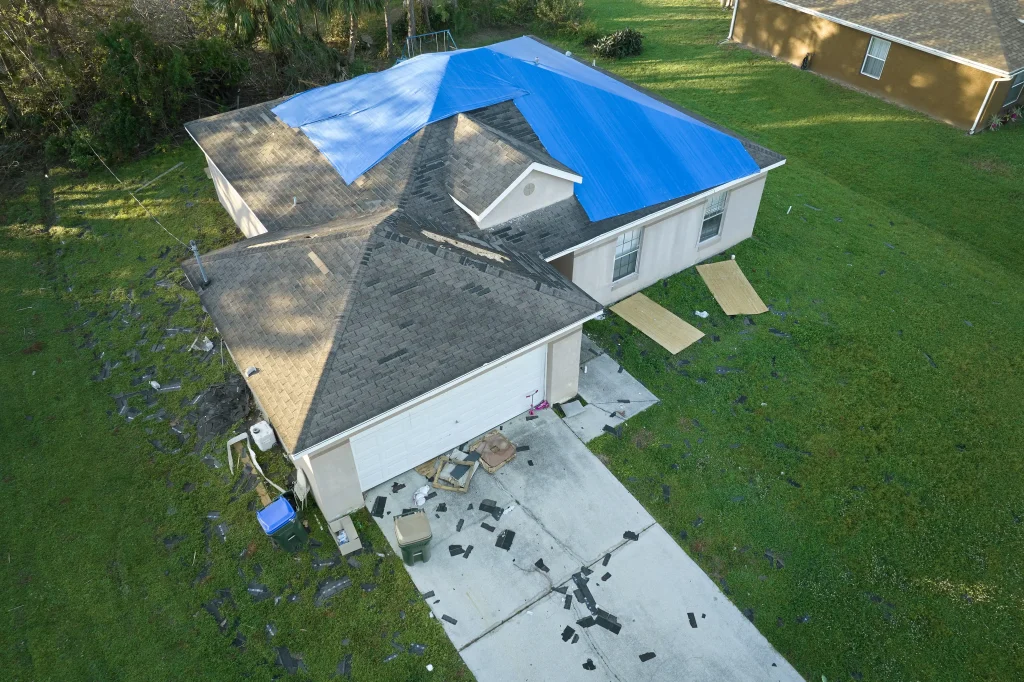
Florida homeowners know all too well that a strong roof is one of the most important defenses against storm damage, water intrusion, and mold. But roof problems don’t always start with a dramatic event. In fact, most leaks develop slowly—caused by small issues that go unnoticed until major repairs are needed. That’s why roof leak prevention is essential. By taking a few simple, proactive steps, you can protect your home from future damage and avoid the stress of emergency repairs.
Start with Regular Roof Inspections
The most effective way to catch roof issues early is with routine inspections. It’s recommended to have your roof inspected by a professional at least once a year—and always after a major storm. Inspections help identify small cracks, missing shingles, soft spots, and flashing issues before they become serious leaks. A trained eye can also spot signs of aging or wear that you may not notice from the ground.
If you choose to do a basic visual inspection yourself, look for signs of sagging, dark spots, loose materials, or clogged gutters. Never walk on the roof unless you’re trained and it’s safe—leave that part to the pros.


Keep Gutters and Downspouts Clean
Clogged gutters are one of the most common and preventable causes of roof leaks. When leaves, twigs, or debris block water flow, moisture can back up and seep under shingles or fascia boards, eventually leading to interior damage. Regularly cleaning your gutters—especially during the fall and after storms—ensures water flows freely away from your roof and foundation.
You can also consider installing gutter guards or covers to reduce the amount of debris buildup and cut down on maintenance time.
Trim Overhanging Trees
Branches that hang too close to your roof pose two major risks: physical damage during storms and a constant source of organic debris. Falling limbs or scraping branches can tear shingles, dislodge flashing, or puncture the roof entirely. Even smaller debris like leaves and twigs can hold moisture, encouraging mold and rot on the surface over time.
Keep trees trimmed and maintain a clear space between your roof and any nearby greenery. It’s a simple but powerful roof leak prevention strategy that protects against both impact damage and long-term wear.
Check Attics and Ceilings for Early Warning Signs
Roof leaks don’t always show up where you’d expect. Sometimes the first signs appear in your attic or ceiling—long before water drips through. Keep an eye out for dark spots, musty odors, or changes in paint or drywall texture. These could be early signs of water infiltration, even if your roof looks fine from the outside.
Make sure your attic is properly ventilated, too. Trapped moisture can create condensation and accelerate roofing problems, even without an actual leak.
Repair Minor Issues Promptly
A small missing shingle or a slightly warped flashing might not seem like an emergency, but ignoring these minor problems is one of the quickest ways to end up with a major leak. Water can easily travel under compromised roofing materials and work its way into insulation, drywall, and support beams. Once that happens, the cost and complexity of repairs can multiply quickly.
Having a trusted contractor like ARC inspect and repair minor issues right away is an investment in your home’s long-term health.
Protect Your Home with Proactive Roof Care
In Florida’s unpredictable climate, the best defense is always a good offense. Taking small steps now to prioritize roof leak prevention can save you thousands in repairs and keep your home safe, dry, and secure. ARC is here to help with routine roof inspections, preventative maintenance, and expert repairs. We also specialize in storm damage restoration, water mitigation, and structural repair for when unexpected issues arise. Don’t wait until water is dripping from your ceiling—let ARC help you stay ahead of the damage.