
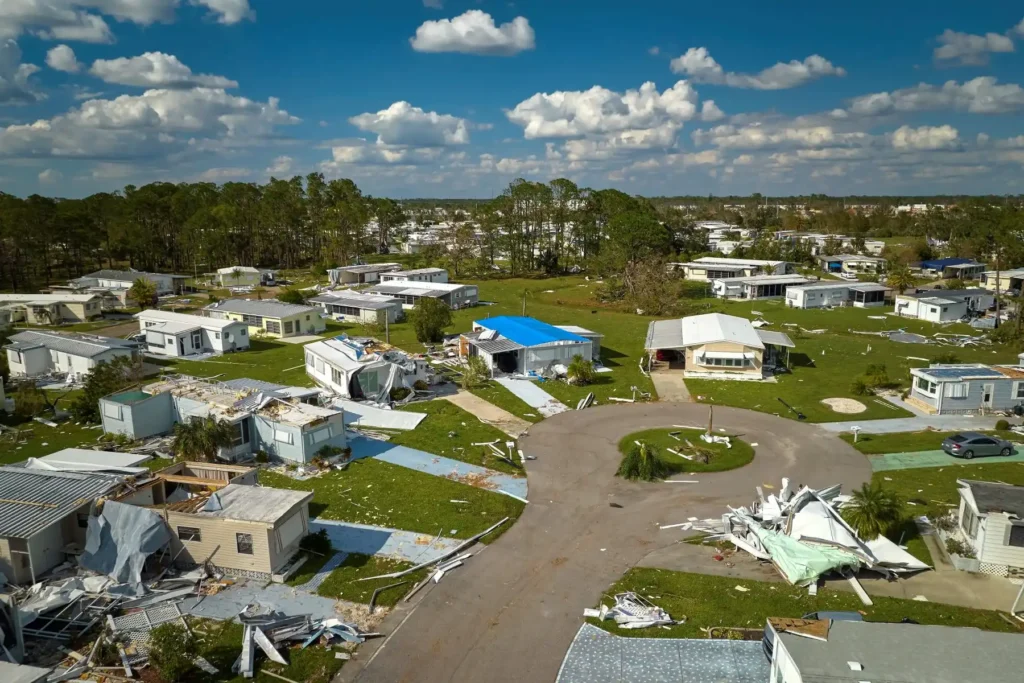
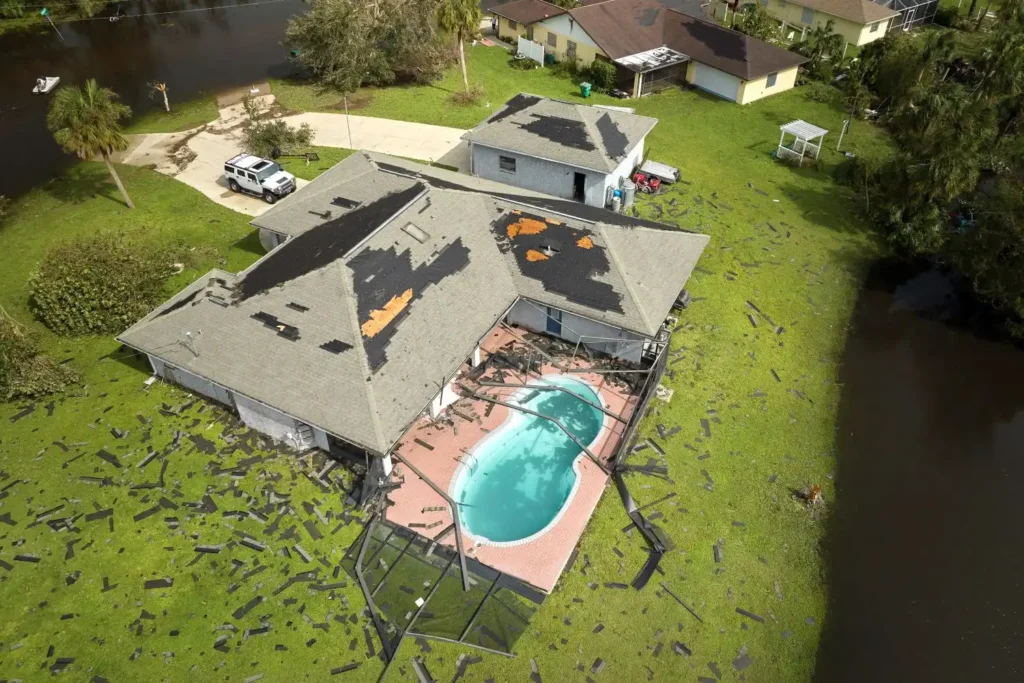
In Florida, hurricane season brings not just strong winds and heavy rain—but also the challenge of recovering in the aftermath. When the storm passes, the real work begins. A safe and efficient post-hurricane cleanup is critical to protecting your health, your home, and your peace of mind. Whether you’re facing water intrusion, roof damage, or debris scattered across your property, knowing what to do next can make a major difference in how quickly and safely your home returns to normal.
Prioritize Safety Before Anything Else
Once the storm has passed and local authorities confirm it’s safe to return, your first step is to ensure there are no immediate hazards on or around your property. Downed power lines, unstable structures, standing water with potential contamination, and broken glass are all risks you’ll want to approach with extreme caution. Wear boots, gloves, and protective gear before entering your home. If there’s visible structural damage or flooding inside, don’t attempt to turn on electrical systems until a professional gives the all-clear.
Document All Damage Immediately
Before you begin any cleaning or restoration work, take thorough photographs and videos of all damaged areas inside and outside your home. This includes roof shingles, siding, windows, interior walls, flooring, appliances, and furniture. These visuals are essential for filing an accurate insurance claim and can speed up your approval process. Be sure to also note any items that may have water damage, mold growth, or broken components.
Remove Debris and Start Drying Out
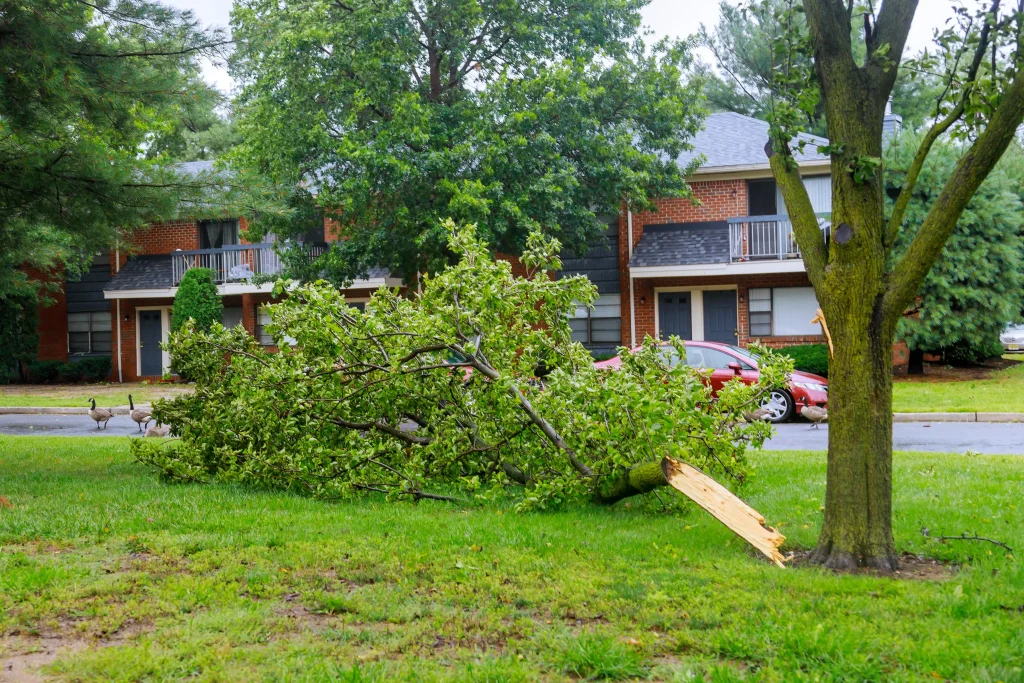
A major component of post-hurricane cleanup is removing storm debris. That can include fallen branches, insulation, drywall, and soaked furniture. Clear out anything that’s blocking access or worsening moisture levels inside your home. Time is critical when it comes to water damage—after just 24 to 48 hours, mold can begin to form and spread. If you can safely do so, open windows and use fans or dehumidifiers to begin drying the area, but avoid using central air until your HVAC system has been inspected.
Watch for Signs of Mold or Hidden Water Damage
Mold is one of the most common and dangerous side effects of a hurricane-damaged home. It often forms in walls, ceilings, and insulation before it becomes visible on the surface. Musty odors, discoloration, and warped materials are red flags that you may need professional water mitigation and mold remediation. Acting early can reduce the extent of the damage and help prevent long-term health concerns for you and your family.
Don’t Delay Insurance and Professional Restoration Services
Once you’ve documented the damage, contact your insurance company to start the claims process. You should also reach out to a licensed, insured restoration contractor who specializes in storm recovery. Professionals like ARC have the tools, training, and experience to assess the full scope of the damage—even the parts you can’t see. They’ll help you avoid future problems and ensure that your home is restored to pre-storm condition as quickly and safely as possible.
ARC Is Here for You After the Storm
Recovering after a hurricane can be overwhelming, but you don’t have to do it alone. ARC is proud to support Florida homeowners with fast, reliable, and compassionate service. Our expert team is equipped to handle every stage of post-hurricane cleanup, from water mitigation and structural repairs to roof restoration and mold remediation. If your home has been affected by a storm, let ARC be your trusted partner in recovery—so you can focus on healing and moving forward.