Water damage restoration for Pasco County homes depends heavily on the water source and how long it sits. In Lakeland, Florida, clean water and contaminated water lead to very different cleanup paths. American Restoration Contractors is licensed and insured and helps property owners understand those differences before damage spreads.
Why Water Damage Restoration Pasco County Depends on the Water Source
Not all water damage is equal, even if the visible damage looks similar. Category 1 water comes from clean sources like broken supply lines, while Category 3 water is heavily contaminated from sewage or floodwater. The source determines how aggressive the water mitigation Pasco County process must be.
Clean water can quickly become unsafe if left untreated. After 24 to 48 hours, Category 1 water can downgrade and require more extensive removal and sanitizing.
The Water Damage Restoration Process in Lakeland Florida
Every job starts with identifying the category of water and the affected materials. Our team adjusts the restoration plan based on risk, structure, and occupant safety. This approach protects the property and avoids unnecessary demolition.
Step 1: Inspection and Water Classification
We assess the source, moisture spread, and materials involved. This step confirms whether emergency water removal can focus on drying or if contaminated materials must be removed. Accurate classification sets the scope and timeline.
Step 2: Emergency Water Removal and Containment
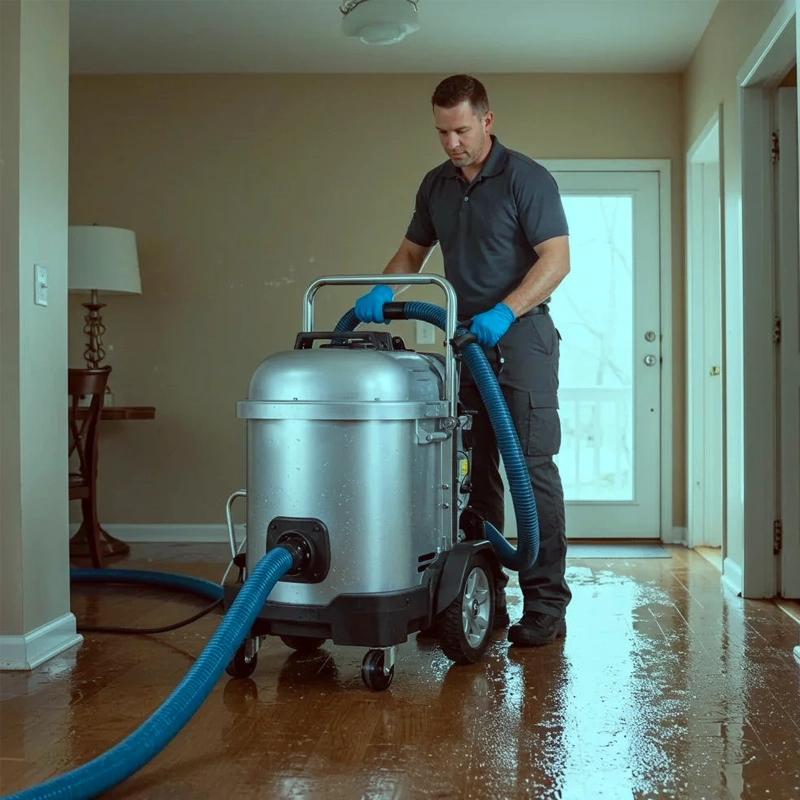
Standing water is extracted using professional equipment. For Category 3 losses, containment barriers are installed to prevent cross contamination. This protects clean areas of the home or building.
Step 3: Drying, Dehumidification, and Cleaning
Drying and dehumidification stabilize the structure and stop secondary damage. Clean water losses focus on moisture control, while Category 3 requires cleaning, disinfecting, and odor control. Materials that cannot be safely restored are removed.
Local Factors That Affect Water Damage in Lakeland Florida
Florida’s soil conditions and high water table increase the risk of intrusion and contamination. Storm runoff and drainage issues can introduce unsanitary water quickly. Guidance from City of Tampa stormwater resources helps outline how water flows and impacts structures in this region.
Access to properties during storms can also delay response times. Faster action reduces the chance that a clean loss becomes a hazardous one.
What Drives the Cost of Water Damage Restoration
The biggest cost driver is the category of water involved. Category 3 losses require more labor, protective equipment, and disposal steps. The size of the affected area and how long water sat also matter.
Structural materials influence scope as well. Porous materials absorb contamination and often must be replaced rather than dried.
Pairing Water Damage With Related Restoration Services
Some projects uncover mold growth once walls or flooring are opened. In those cases, professional mold remediation is often required to fully resolve the damage. Fire and smoke restoration may also be needed if electrical systems were compromised.
Severe weather events can combine water intrusion with exterior damage. Storm damage restoration helps address roofing, siding, and water entry points together.
Safety, Licensing, and Proper Cleanup
Handling contaminated water without training is unsafe. Category 3 losses require protective gear, controlled demolition, and proper disposal. Licensed and insured professionals follow industry standards to protect occupants and workers.
American Restoration Contractors documents each step and follows safety protocols. This protects property owners and supports insurance claims.
Frequently Asked Questions About Water Damage Restoration Pasco County
What is the difference between Category 1 and Category 3 water damage?
Category 1 water comes from clean sources like supply lines. Category 3 water contains harmful contaminants from sewage or flooding and requires more intensive cleanup and sanitizing.
How fast should I call for water damage restoration in Pasco County?
Immediately. Delays increase damage and can cause clean water to become contaminated. Quick response limits repairs and health risks.
Does emergency water removal stop mold growth?
Prompt removal and drying greatly reduce the risk. However, mold can still develop if moisture remains hidden. Professional monitoring ensures proper drying.
Is water mitigation Pasco County services different for commercial properties?
Yes. Commercial spaces often require larger equipment, containment planning, and coordination with occupants. The process is scaled to protect operations and safety.
Will contaminated water always require demolition?
Often yes. Porous materials exposed to Category 3 water usually cannot be safely cleaned. Removing them ensures the property can be restored safely.
Conclusion
Water damage restoration Pasco County property owners need depends on understanding the source of the water and acting quickly. Category 1 and Category 3 water require very different approaches, and choosing the right team protects both health and property.